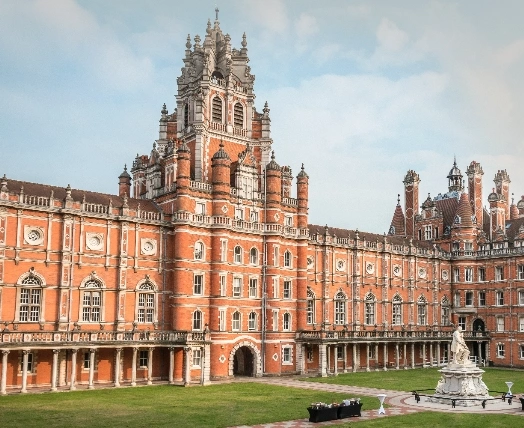
Study in Europe

If the idea of studying in Europe excites you, imagine a continent where history, culture, and innovation coexist! Europe offers world-class education, vibrant cities, breathtaking landscapes, and diverse lifestyles, creating the perfect environment to grow both academically and personally. From bustling urban centers to peaceful towns, each country has its own charm, cuisine, and opportunities for exploration. Beyond the UK, Germany, and Ireland, nations like Italy, Sweden, Norway, and the Netherlands provide unique experiences for students aiming to study abroad in Europe.
With robust economies, cutting-edge research facilities, and multicultural communities, Europe welcomes students to explore, learn, and thrive. Every day presents new experiences, from historic landmarks to modern innovations, making study in Europe a journey of discovery and growth. Whether it’s soaking in Italy’s art and heritage, embracing Sweden’s progressive education, exploring Norway’s scenic wonders, or enjoying the Netherlands’ vibrant student life, your European adventure promises both learning and inspiration.
  • 1,760,000+

    1,760,000+

    International Students
  • €37,900

    €37,900

    Average Annual Earnings

Quick Facts about Europe

  • Encourages multilingual learning, giving students a natural edge in global careers.
  • Known for strong academic traditions blended with modern, industry-relevant teaching.
  • QS survey with 42,613 respondents named UK, Sweden, Italy, Netherlands & Germany as top European study choices.
  • Many European countries offer tuition-free or extremely low-cost public university options.
  • France and Germany both receive over 400,000 international students annually, confirming sustained global appeal.
  • Europe’s universities rank among the world’s best: top institutions like ETH Zurich, Oxford, Cambridge lead QS rankings.

Why Study In Europe

Choosing to study in Europe means gaining access to a globally respected education system rooted in academic excellence, research, and innovation. European universities focus on critical thinking, practical learning, and real-world application, preparing students for international careers. When you study in Europe, you benefit from diverse cultures, multilingual environments, and exposure to multiple countries within a single academic journey. Many programs are taught in English, making it easier for international students to adapt while still experiencing Europe’s rich heritage. To study in Europe is also to enjoy a balanced student life, strong industry collaboration, and career-oriented learning pathways. With a wide range of disciplines, flexible education models, and a strong emphasis on employability, study in Europe remains a smart choice for students seeking quality education and global exposure.

Living and working in Europe

  • Traditions & Culture
    Traditions & Culture
  • Food
    Food
  • Safety
    Safety
  • Arts & Culture
    Arts & Culture
  • Transport
    Transport
  • Languages
    Languages
  • Accommodation
    Accommodation
  • Sports
    Sports
  • Social Experiences
    Social Experiences
Traditions & Culture

Traditions & Culture

Europe blends centuries-old traditions with modern lifestyles, offering a rich cultural experience. Festivals, customs, and local heritage are deeply woven into everyday life.
Food

Food

European cuisine reflects regional diversity, from simple comfort meals to fine dining. Students experience fresh, seasonal food shaped by local history and culture.
Safety

Safety

Europe is known for its strong public systems and student-friendly cities. Most countries offer a safe and supportive environment for international students.
Arts & Culture

Arts & Culture

Europe is a global centre for art, music, architecture, and literature. Museums, galleries, and cultural events are part of daily life.
Transport

Transport

Public transport in Europe is efficient, affordable, and well connected. Travel between cities and countries is easy and accessible for students.
Languages

Languages

Europe offers exposure to multiple languages in academic and social settings. Students can study in English while naturally picking up new languages.
Accommodation

Accommodation

European universities provide access to varied student housing options. From dorms to shared apartments, accommodation suits different budgets and lifestyles.
Sports

Sports

Sports and fitness are an important part of European student life. Universities encourage participation through clubs, facilities, and local leagues.
Social Experiences

Social Experiences

Europe offers a vibrant student social life shaped by diversity and inclusivity. International students build global friendships both on and off campus.

Cost of Education

Level of study State universities Private universities
Master’s Degree €3,000 – €20,000 ₹2.7 Lakhs – ₹18 Lakhs
Bachelor’s Degree €3,000 – €18,000 ₹2.7 Lakhs – ₹16 Lakhs
MBA / Management Programs €8,000 – €30,000 ₹7 Lakhs – ₹27 Lakhs
Engineering / STEM Programs €4,000 – €25,000 ₹3.5 Lakhs – ₹22 Lakhs
Foundation / Pathway Programs €5,000 – €15,000 ₹4.5 Lakhs – ₹13 Lakhs

Career Opportunities & Areas of Skill Shortage

Europe faces significant skill shortages across various sectors, as reported by the European Labour Authority (EURES). For students planning to Study in Europe, these high-demand areas offer excellent career prospects:
Here is the shortened version of the career sectors for your Study in Europe page:
  • Business Services

    Business Services

    Roles like Data Analysts and HR Professionals in hubs like Amsterdam and Paris.
  • Construction & Architecture

    Construction & Architecture

    High demand for Architects and Site Managers for green building projects.
  • Education

    Education

    Need for STEM Teachers and University Faculty, specifically in Germany and Sweden.
  • Engineering

    Engineering

    Opportunities in Electrical, Mechanical, Civil, and Renewable Energy fields.
  • Healthcare

    Healthcare

    Demand for Nurses, Pharmacists, and Researchers to support an aging population.
  • Hospitality & Tourism

    Hospitality & Tourism

    Roles for Chefs and Event Managers in destinations like Italy and France.
  • IT & Technology

    IT & Technology

    Growth for Cyber Security Analysts, Software Developers, and AI Specialists.

Scholarships

European Universities are renowned for offering attractive scholarships to International Students in Europe, with many awards covering between 10% and 100% of tuition fees. These opportunities are primarily merit-based and often integrated into the standard admission process or specifically tailored for students from regions like India. Beyond individual university funding, several prestigious programs make a Study in Europe financially viable for global talent. The Erasmus Mundus program acts as a flagship initiative by providing full funding, including tuition, travel, and a monthly stipend, for elite Master's degrees. Similarly, DAAD offers extensive support for graduates and PhD students across all fields in Germany, while the Eiffel Excellence Scholarship targets top-tier candidates for Master’s and PhD programs in France. For those looking at other regions, the Holland Scholarship provides grants for non-EEA students entering their first year in the Netherlands, and the Swedish Institute offers full-funding opportunities for ambitious professionals. Together, these financial aids ensure that a Europe Study Abroad journey remains accessible and affordable for talented students worldwide.
Europe

Study in Europe: Frequently Asked Questions

Can I study in Europe in English?

Thousands of programs at European Universities are taught entirely in English across diverse subjects.

Do I need a visa for my Study Abroad in Europe?

Most non-EU International Students in Europe require a National Student Visa for programs exceeding 90 days.

Are there tuition-free universities?

Public universities in countries like Germany and Norway offer tuition-free or very low-cost education.

Can I work while I study?

You can typically work part-time (around 20 hours per week) during semesters and full-time during breaks.

What is the average monthly cost of living?

Depending on the city, students need between €600 – €1,200 (approx. ₹63,500 – ₹1,27,000) for rent, food, and transport.

Can I stay in Europe after graduation?

Many countries offer 6 to 18-month post-study work visas to help graduates find employment.

Is IELTS or TOEFL always mandatory?

Some European Universities waive these if your previous degree was taught in English.

When do most programs start?

The primary intake is in September/October, with a smaller secondary intake in January/February.

Are scholarships available for international students?

Yes, numerous merit-based and government scholarships, like Erasmus Mundus, are available.

Is health insurance required?

Yes, proof of valid health insurance is mandatory for university enrollment and visa approval.

Other Study Destinations

  • bg-img1
  • bg-img2
  • bg-img3
  • bg-img1
  • bg-img1
  • bg-img2