-1751978393.webp)

Few industries change as fast as media and communication. What used to be just newspapers, TV, and radio now includes streaming, social media, and podcasting. It also covers content marketing, brand strategy, and AI storytelling. Because the industry is changing, companies need smart professionals who understand these new tools. For students who want a career in this space, choosing to study Media & Communication abroad is a fantastic choice for 2027. It gives you a global view, connects you with international networks, and lets you learn where modern culture is made.
At Study Smart, we want to make your international education goals simple and stress-free. We know that looking for the perfect creative communication course can feel very confusing. For any student, balancing top media classes with correct budget planning is highly important. That is why we break down the best global choices into clear steps. Deciding to study Media & Communication abroad allows you to learn from master creators. You also build an excellent international network. Our friendly team will guide you through university options, entrance requirements, and visa steps for your upcoming study abroad 2027 journey.
The global media and entertainment industry continues to experience strong growth, driven by streaming platforms, digital advertising, social media, mobile technology, and the increasing demand for content across digital channels.
The job market reflects this expansion. According to the U.S. Bureau of Labor Statistics, employment opportunities continue to evolve across media and communication fields, with particularly strong demand in areas such as digital communications, content strategy, public relations, corporate communications, and audience engagement.
What this means for students is simple: the skills developed through a media and communication degree are highly transferable and applicable across industries including technology, healthcare, fashion, finance, entertainment, education, and public policy.
A degree in media and communication is all about understanding how people think, decide, and connect. That is precisely why planning to study Media & Communication in abroad campuses can be so valuable.
Choosing where to learn decides your access to high-end digital labs, professional studios, and local media internships. Here are the leading global choices, complete with top universities, course names, and eligibility requirements:
Study Media & Communication in Netherlands is now one of the best places for media studies. The University of Amsterdam is a world leader for communication and media. It is famous for its research in digital media and politics. Students love the international environment and great research options. Plus, tuition fees are lower than in the US or the UK.
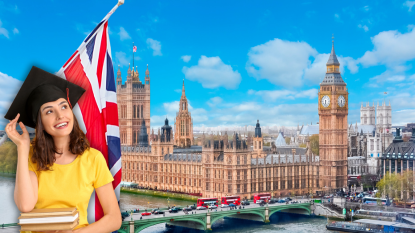
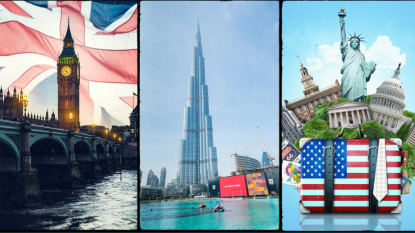
Study Media & Communication in UK . UK houses many world-famous schools. They are excellent for journalism, public relations, and broadcasting. International tuition fees usually run from £18,000 to £30,000 per year. You can also use the Graduate Route visa to stay and work after you finish your degree.
For Study Media & Communication in USA is a top choice for media education. It is perfect for students interested in journalism, advertising, and digital media. Students are close to huge media hubs in New York and LA. Tuition at these leading schools usually costs between USD 40,000 and USD 60,000 per year.
Study Media & Communication in Australia offers practical media programs with a strong focus on your future career. Local universities have great reputations for advertising, multimedia production, and digital design. Tuition fees generally range from AUD 30,000 to AUD 45,000 per year. Graduates can apply for post-study work visas easily.
Study Media & Communication in Canada is a popular choice for high-quality, affordable education. Schools offer excellent media and journalism courses. Beyond great classes, Canada offers a Post-Graduation Work Permit (PGWP) for up to three years. This makes it a great destination for international students who want a long-term career.
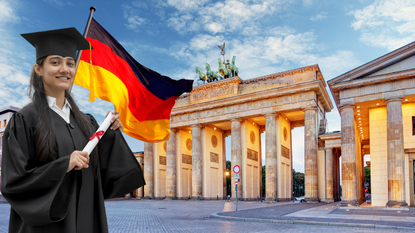
Study Media & Communication in Germany is perfect for students on a budget. Many public universities do not charge any tuition fees, even for international students. Excellent choices are highly recognized for their media-related programs. While some courses require you to speak German, there are several master's programs taught entirely in English.
A media and communication degree opens doors to many exciting jobs, such as:
The fastest-growing roles today are in digital strategy, social media management, and content creation. Companies in every industry need experts who can share complex ideas clearly and protect their brand image online. This deep corporate demand shows why choosing to study Media & Communication abroad sets up a very stable professional path.
Most top media programs mix classroom theory with hands-on projects.
Common modules include:
Many universities also let you specialize in specific areas. You can choose pathways like political communication, global media, fashion media, sports media, or entertainment management.
Studying media and communication abroad is about much more than earning a degree. It is an opportunity to understand how information shapes societies, how brands build influence, and how communication drives decision-making across industries and cultures. In a field that continues to evolve rapidly, the right international education can provide the knowledge, exposure, and practical experience needed to stand out in a competitive job market.
The country and institution you choose will play an important role in shaping your future career. If you are exploring options to study Media & Communication abroad, our team at Study Smart is here to save you time and effort. As your trusted study abroad consultant, we handle the hard application details, help you polish your statements, and guide you through the visa paperwork. Reach out to a friendly advisor at Study Smart today to turn your career goals into reality!
Note: University eligibility criteria, tuition costs, visa regulations, and post-study work rules are subject to change. Always verify the latest updates on official university and government websites, or confirm the details with an expert study abroad consultant at Study Smart before applying.
1. Is it necessary to have a media background to study Media & Communication abroad?
No. Many bachelor's and master's tracks welcome students from different backgrounds, including humanities, business, commerce, or engineering.
2. What language skills are needed for a study abroad 2027 intake session?
Media courses require a lot of writing and presentations. Because of this, universities look for strong English scores. An average IELTS score of 6.5 or 7.0 is standard.
3. Can international students complete professional media internships while studying?
Yes. Most student visas in popular countries allow you to work part-time and complete internships to gain local experience before you graduate.
4. Are digital media and communication degrees recognized by corporate companies globally?
Absolutely. Degrees from accredited international schools are highly valued by global corporations, PR firms, tech companies, and digital marketing agencies worldwide.
5. How does a Study Smart advisor help me with my university application?
Our experts organize your academic records, help you write a great personal statement, track deadlines, and guide you through the student visa process smoothly.


-1790830806.png)



-1789648032.png)
-1789648364.png)
-1789647708.png)
-1789648196.png)
 (1)-1787123243.png)












-1749620108.png)


































-1750416362-1750417414.jpg)






-1789647864.png)

-1789648649.png)


-1790228836.png)

-1790399182.png)