-1751978393.webp)
Many Indian students send a placement-style resume to foreign universities and then wonder why it falls flat. An academic CV for study abroad is read by faculty and admissions staff. They want proof of how you learn, research and think, not a sales pitch for a job. For 2027 intakes, getting this one document right also makes your SOP and recommendation letters easier to believe.
This guide covers section order, how to write up projects and internships, how to handle gaps and how long the CV should be. It ends with two ready outlines, one for freshers and one for working professionals.
At a glance
An academic CV shows an admissions committee that you can succeed in a demanding course. A job resume shows an employer that you can deliver results in a role. The academic version puts education, projects, research and academic awards first and uses plain, factual language. It can run slightly longer, because depth of learning matters more than keeping it short.
Many students search for a study abroad resume template and end up with a corporate format built for recruiters. That format usually hides what faculty care about most. Here is how the two documents differ in practice:
Many US programs still use the word "resume" on their application portal even when they want academic detail. Read each program's instructions carefully, then write the document in the academic style.
The safest order for an academic CV for study abroad starts with contact details and education. It then moves to research and projects, work experience, skills, awards and activities. Within each section, put the most recent item first. Working professionals with strong relevant experience can move work above projects, but education should stay near the top.
A standard order that works for most programs:
Leave out your photo, date of birth, religion, marital status and parents' names unless a country or university asks for them. Some German universities, for example, expect a tabular CV that is signed and dated, so check every program page.

Write up each project, internship or research role with four details: the problem, what you did, the tools or methods you used and the result. Start bullets with action verbs and keep each one to one or two lines. Only add numbers that are real and that you can explain in an interview.
Compare two versions of the same final-year project:
The strong version shows your method, your data and your outcome in a single line. For internships, focus on what you learned and contributed rather than the company's brand. A two-month internship at a small Pune startup where you shipped a real feature can be worth more than a famous name with a vague description.
If you have done research, list your supervisor's name. That detail links your CV to your LOR when the same professor is writing your recommendation.
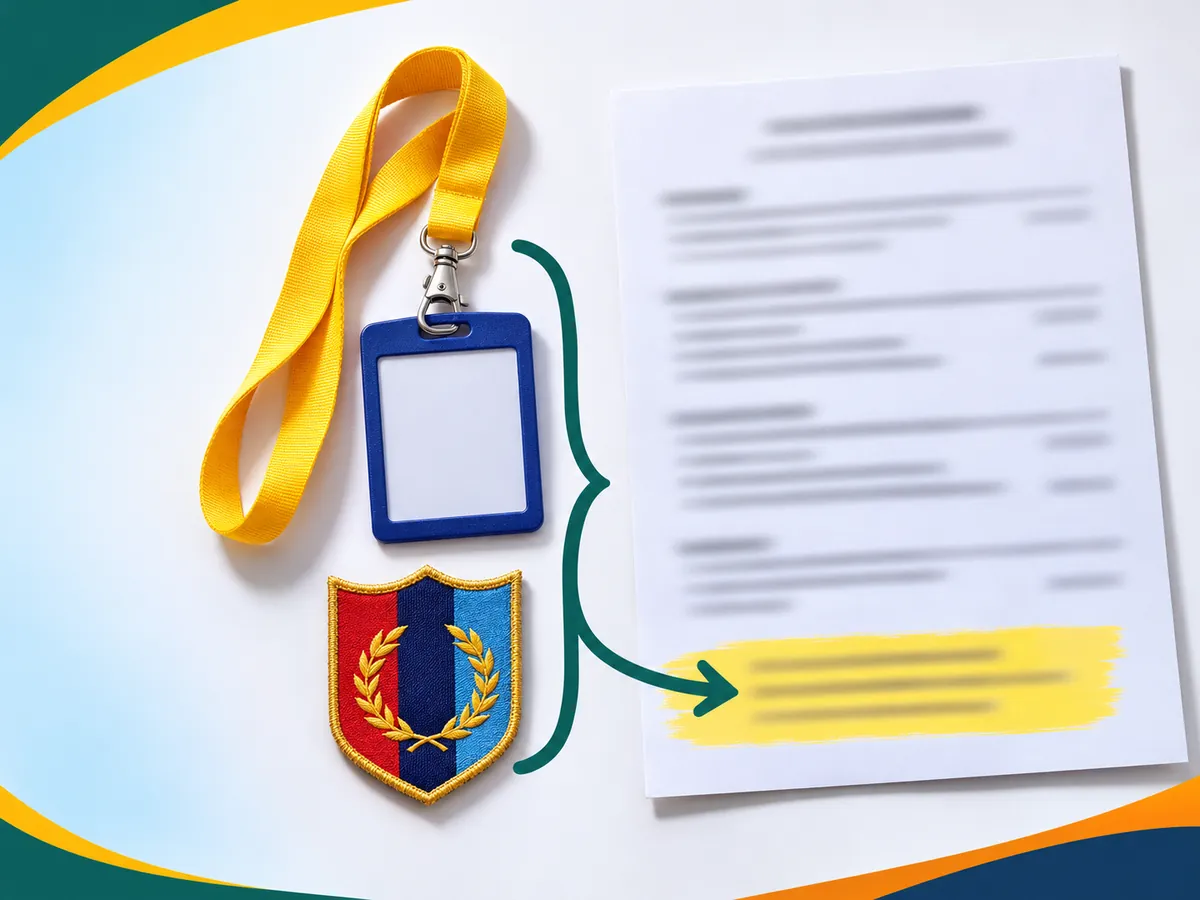
Extracurriculars go near the end of a resume for university application, after education, projects and experience. Keep only activities that show leadership, long-term commitment or skills linked to your course. Two or three strong, specific entries do more for you than a long list of one-day events.
Good examples to include:
Drop school-level activities from postgraduate CVs unless they are exceptional, such as a national olympiad medal.
Explain any gap of a few months or more with one short, honest line on the CV. For example: "Jan 2025 to Aug 2025: Preparation for GRE and IELTS; completed an online certificate in data analytics." Never leave a period blank and unexplained. If the gap needs more context, explain it in your SOP.
Common gaps for Indian students and how to show them:
Admissions teams generally accept gaps. What worries them is a gap that looks hidden.
For a fresher, a study abroad CV should usually fit on one to two pages. Working professionals can use about two pages, and PhD applicants with a lot of research may need more. If a program states a page limit, follow it. A university's own instructions override any general rule, including the advice in this guide.
Formatting habits that help readers:
Your CV, SOP and LORs should tell the same story from three angles. The CV lists the facts. The SOP explains why they matter to you. The LORs confirm them from someone who saw your work. Every date, project title, job title and grade must match exactly across all three documents and your application form.
Study Smart's university application and documentation support helps you compile and refine your SOP, LORs and other application documents together, so it is easier to keep the details on your CV consistent with them.
Run these consistency checks before you submit:
The SOP guide and post on application letters for colleges abroad on the Study Smart blog cover the statement of purpose in detail and give an overview of supporting documents, including LORs.
Freshers (final-year students and recent graduates) should build the CV around education, projects and internships. If you are a master's applicant, use this CV for study abroad example as your starting outline:
If you are applying for an undergraduate degree straight after Class 12, replace projects with school research, competitions and activities. Keep that version to one page.
Working professionals should show how their experience led to the course they want now. Put work experience high on the page, but keep education and any research easy to find. This outline suits MS or specialised master's applicants with two or more years of experience. Most MBA programs ask for a one-page professional resume instead, so follow each MBA program's own format:
Cut early college activities to make room for your impact at work. Admissions committees want to see growth across your career.
If you are aiming for a 2027 intake, write your CV before your SOP. The CV gives you a full list of facts, and the SOP then picks the most meaningful ones to explain. One of the most practical tips for study abroad applications is to draft your CV and SOP in the same month, then share both with your recommenders so their letters match the same facts.
Your next steps:
Students in Pune and Delhi NCR can meet a Study Smart counsellor in person, and students in other cities can work with us online. Request a document review and our team will check your CV against your SOP, your LORs and the requirements of your target programs.
Yes, but keep them short. One line each with the board, year and percentage is enough for most master's applications. Keep the focus on your bachelor's degree.
You can keep one master CV, but adjust it for each program. Move the most relevant projects higher and follow each program's page limit and format. Small changes like these help each committee find what matters to them quickly.
The same academic CV usually works, with more weight on awards, leadership and community work. Some scholarships give their own format, so check the instructions first.
Add it in the skills or test scores section if you already have your result. Most portals ask for official scores separately, so the CV entry just gives readers a quick reference.



















-1749620108.png)











-1791613809.jpg)



































-1750416362-1750417414.jpg)









-1789647708.png)
-1789648196.png)
 (1)-1787123243.png)


-1789648364.png)
-1789648032.png)
-1789647864.png)

-1789648649.png)



-1790228836.png)






 (6)-1792571238.png)




-1790399182.png)



-1790830806.png)