-1751978393.webp)

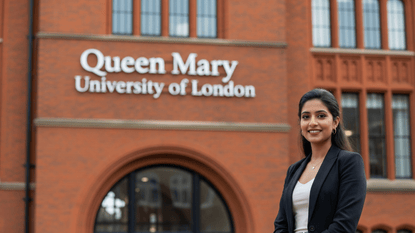
An early offer for September 2027 is good news, but the letter is not a confirmed seat until you understand what it asks of you. For most Indian applicants, the first question is the conditional vs unconditional offer difference. Get it wrong and you could miss a deadline, pay a deposit too early or accept the weaker of two offers.
This guide uses the UK as the main example, with short notes on Canada, Australia, Germany and the USA. Admission and visa rules change often, so treat every rule below as current guidance that you should check again before you act.
At a glance
A conditional offer means the university will confirm your place once you meet stated requirements, usually final results or an English test score. An unconditional offer means you already meet the entry requirements and the place is yours if you want it. Even an unconditional offer can carry small non-academic steps, such as a background or document check.
A conditional offer shows "the conditions you have to meet to get your place confirmed" (UCAS, 2026).
For Indian students, the offer type usually depends on timing. A student still in Class 12 or the final year of a bachelor's degree will normally get a conditional offer. A graduate who already has final marks and a valid IELTS score may receive an unconditional offer straight away.
Watch for one special case. UCAS notes that you may get a conditional offer that changes to unconditional if you firmly accept it (UCAS, 2026). Read that kind of offer slowly, because it is designed to secure your commitment early, before you have seen your other options.
A conditional offer letter usually lists three types of condition: academic results (a percentage, CGPA or class), an English language score (an overall IELTS band plus a minimum per section) and documents (final transcripts, degree certificate, passport copy). Each condition has a deadline or a "by enrolment" date.
Here are the conditions Indian applicants see most often:
Some UK universities accept a pre-sessional English course (a short English course before your degree) if your test score is slightly below the requirement. The University of Liverpool, for example, may issue a Combined CAS covering both the pre-sessional course and a master's degree when the pre-sessional course is the only remaining condition (University of Liverpool, 2026). Always confirm whether your own university offers the same route.

You meet offer conditions by listing each one with its deadline, booking your English test early enough to allow a retake, and collecting final documents as soon as results come out. Send everything through the channel the university names, then ask for written confirmation that each condition is cleared.
A simple plan for September 2027 entry looks like this:
If you miss a condition by a small margin, do not panic. Universities sometimes still accept near-miss students or offer a related course, so contact admissions quickly and politely.
On UCAS, undergraduate applicants accept one offer as a firm choice and can add one insurance choice as a backup. A conditional firm offer confirms your place if you meet its conditions. If you miss them but meet the insurance offer's conditions, you go to your insurance choice. You must decline all other offers.
UCAS sets out these key rules for 2027 entry (UCAS, 2026):
Most UK postgraduate applications go directly to each university, not through UCAS. Postgraduate students usually accept online through the university portal, and each university sets its own reply and deposit deadlines.

Pay a deposit only after you have decided which offer you will accept, checked the refund policy in writing and confirmed that the payment is needed for your CAS or enrolment. Paying two deposits "just in case" can cost your family money if one is non-refundable.
Many UK universities link the deposit to the CAS. The University of Liverpool, for example, asks master's applicants to accept the offer, meet the conditions and pay the deposit (or provide a sponsor guarantee) before it issues a CAS (University of Liverpool, 2026). For a September start, Liverpool says CAS emails typically go out from late spring.
Before you pay, check these points:
Also plan the visa money early. The UK asks you to hold your course fees for one year plus living costs for 28 days in a row, ending within 31 days of your visa application (GOV.UK, 2026).
Compare two offers on three points: course fit (modules, teaching style, placement year), total cost (tuition, living costs, scholarship, deposit terms) and outcomes (graduate jobs, employer links, alumni in your field). The best offer is the one that leads to your career goal at a cost your family can manage.
Sometimes the choice is a conditional vs unconditional offer from two different universities. The unconditional offer feels safer, but it is not automatically better. Ask yourself whether you are confident of meeting the conditions on the stronger offer, and use the other as your backup where the system allows it.
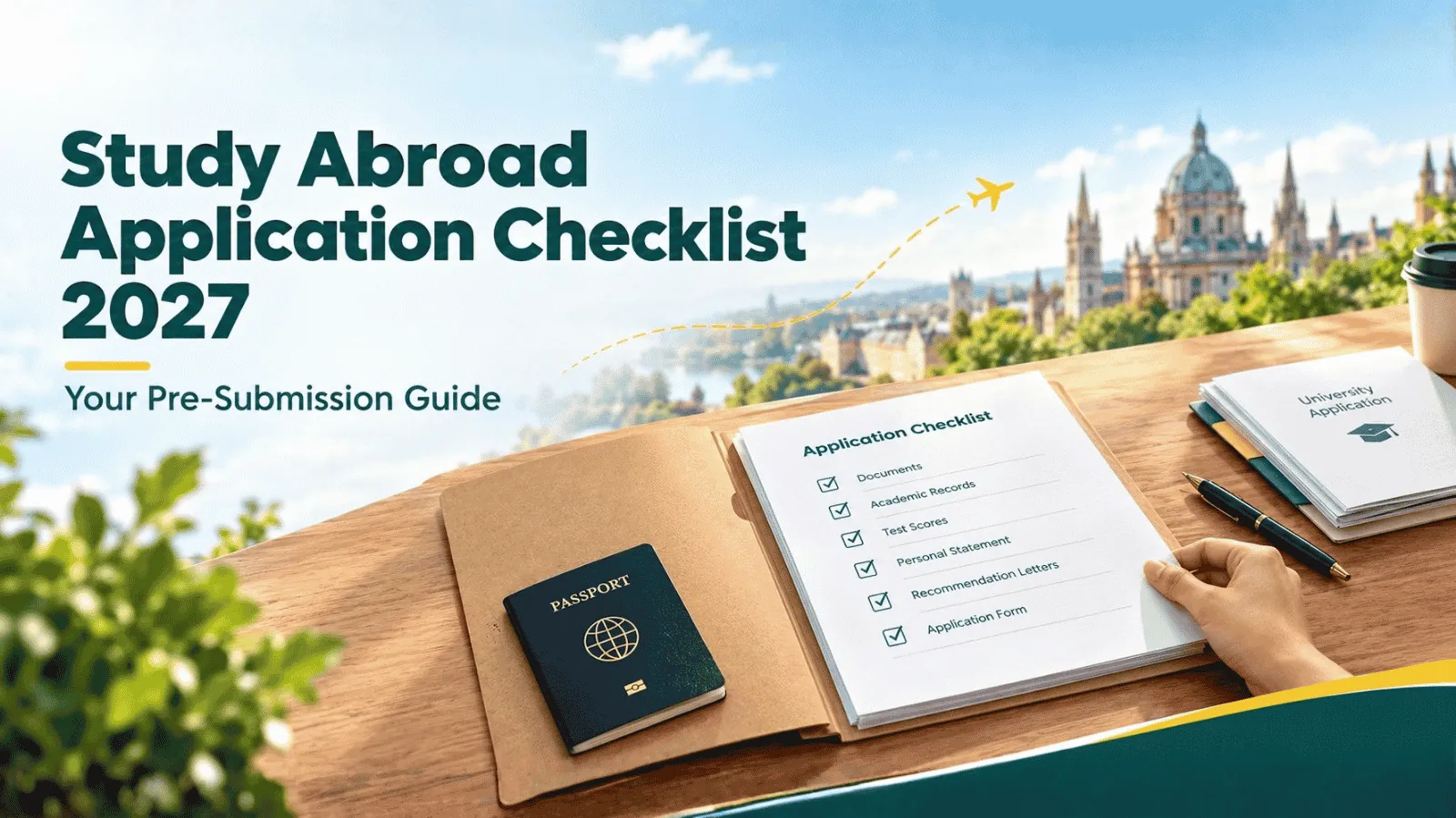
Use this checklist for each offer:
The idea of conditional and unconditional offers exists in most study destinations, but the names and the next document differ. In each country, the final offer leads to a document you need for the visa. The notes below are general guidance; check the official immigration website for each country before you act.
If you are a student in Pune, Delhi NCR or anywhere in India holding an offer for September 2027, the next few months matter more than the offer itself. Students who run into trouble often have good marks but make small mistakes. They are the ones who misread a condition, booked IELTS too late or paid a deposit before comparing offers.
For parents, the key questions are cost and risk. Ask to see the refund policy, the total first-year cost and the visa funds rule before anyone pays. A clear plan now protects both your savings and your child's place.
An unconditional offer is more certain, but it is not always the better choice. If a conditional offer is for a stronger course that fits your career goal and you are confident of meeting the conditions, it may be worth accepting.
Yes. If you do not meet the conditions by the deadline, the university can withdraw the offer. Contact admissions early if you expect a delay or a small shortfall.
You need a CAS from a licensed sponsor to apply. Most universities issue a CAS only after your conditions are met, so in practice your offer usually needs to be unconditional first. The main exception is a Combined CAS, where completing a pre-sessional English course is the only condition left.
On UCAS, you can hold one firm and one insurance choice and must decline the rest. For direct postgraduate applications, you can often accept more than one, but each deposit carries its own refund terms.
Every offer letter is different, and one misread line can cost you a place or a deposit. Study Smart counsellors in Pune and Delhi review your offers with you, map each condition to a deadline and help you compare cost and outcomes before you commit. Explore our university application support service and book a session to speak with a counsellor about your offers.
























-1749620108.png)


















-1791613809.jpg)










































-1750416362-1750417414.jpg)













-1789647708.png)
-1789648196.png)
 (1)-1787123243.png)


-1789648364.png)
-1789648032.png)
-1789647864.png)

-1789648649.png)




-1790228836.png)








 (6)-1792571238.png)





-1790399182.png)





-1790830806.png)